,
,
,
,
,

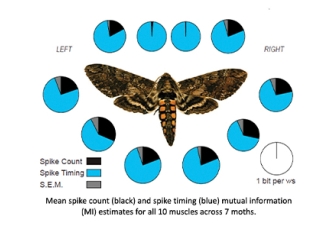
Researchers at Georgia Tech are using math, science, and artificial intelligence to better understand how people think, move, and perceive the world.

Before joining the School of Physics as an assistant professor this fall, Afroditi Papadopoulou will engage with Nobel Laureates during a global forum focused on intergenerational and interdisciplinary scientific exchange.

,
,
,

,
,
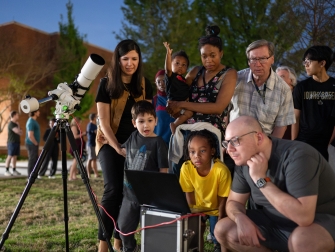
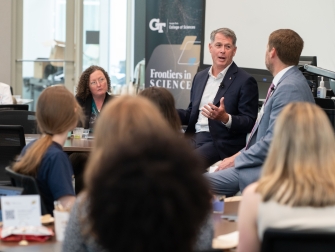
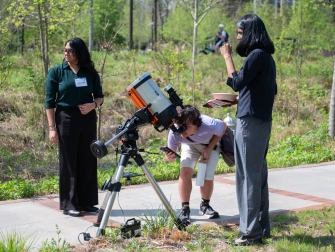
One day after the historic Artemis II launch, the College of Sciences welcomed more than 150 researchers, students, and community members to its signature Frontiers in Science conference.
This year's Frontiers in Science conference will offer an inspiring look at the future of space exploration and life beyond Earth — from satellites and rovers to bold visions for human exploration. Our 2026 speaker schedule includes more than two dozen leading scientists, engineers, and thought leaders who are pushing the boundaries of what lies beyond.
,
,
,
,
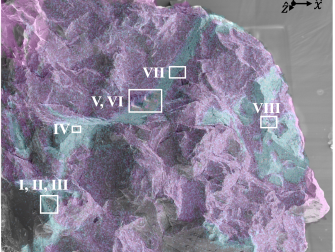
The finding offers new clues about the oxygen conditions that shaped the Moon’s early environment.
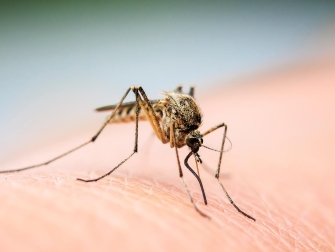
Researchers have visualized mosquito flight behavior for the first time — which could improve mosquito-control strategies.
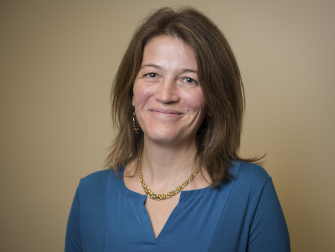
Laura Cadonati, professor in the School of Physics and associate dean for Research in the College of Sciences, has been elected to the Board of Directors of the American Physical Society.
,
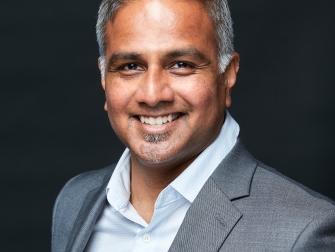
Raman is being honored for advancing chip‑scale quantum sensing technologies, while Azoulay is recognized for pioneering functional materials that enable new capabilities across science and technology.
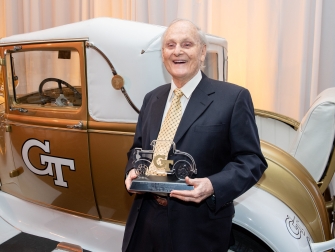
Templeton has dedicated six decades to Georgia Tech — as a student, administrator, and volunteer — demonstrating an enduring commitment to his beloved alma mater.
,
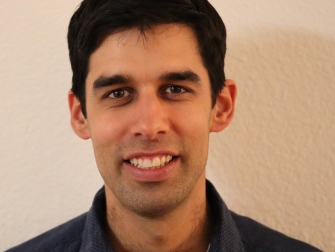
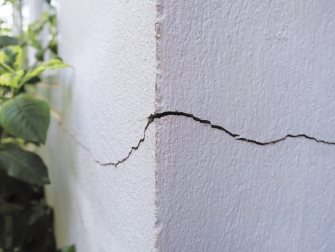
Research from Georgia Tech is showing how cracks occur and spread through materials — and how best to prevent them.
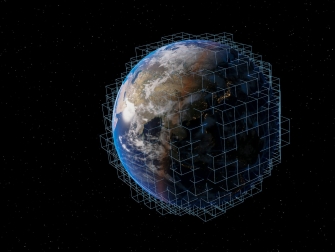
How do you know anything is real? Some things you can see directly, like your fingers. Other things, like your chin, you need a mirror or a camera to see. Other things can’t be seen, but you believe in them because a parent or a teacher told you, or you read it in a book.
- ‹ previous
- 3 of 27
- next ›